In The News

La Bloga – “Mental Menudo is Back!”
by Sandra Pocha Peña, A report on the relaunch of Gilbert “Magu” Lujan’s “Mental Menudo” art & culture chats in Los Angeles, 2016:
On a balmy night this past week, Mental Menudo ignited anew in the heart of historic Los Angeles. As the Santa Ana winds cleared the air, a group of true believers in the power of community-building discourse gathered at La Plaza de Artes y Culturas to continue the circle of charlas created by the late great Gilbert “Magu” Lujan.
A Los Angeles-based painter, sculptor, and muralist, Magu was a founding member of “Los Four” and a beloved creative force. He drew sketches for seminal Chicano Art zine “Con Safos,” designed the Hollywood & Vine metro station, and inspired thousands with his fanciful depictions of Magulandia, a utopia of vibrant Chicanismo fused with nostalgic Americana.
https://labloga.blogspot.com/2017/05/guest-columnist-sandra-pocha-pena.html
Details
OC Register – “Santa Ana Adopts 10-year plan to develop role of arts and culture”
by Jessica Kwong, Report on Santa Ana Arts & Culture Commission’s new Arts Master Plan, 2016:
Details
OC Register – “New Scene for OC Film Fiesta”
OC Register – “New Scene for OC Film Fiesta” by Jessica Kwon, Report on the OC Film Fiesta, 2015:
Details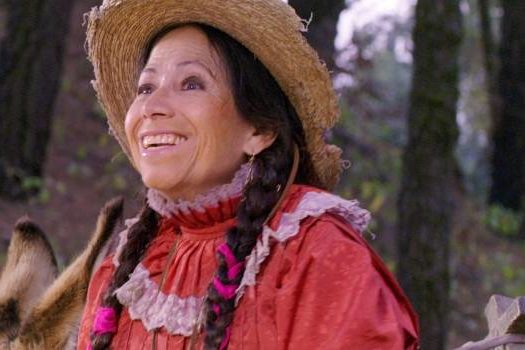
News Taco – “La India Maria, Presente!”
by Pocha Peña, A profile of beloved Mexican character actor Maria Elena Velasco (aka La India Maria), 2015:
La India Maria (aka Maria Elena Velasco), a pocharrific indigenous comedienne from Puebla Mexico, took that combi to the sky on May 1st, a special day for progressive proles y paisas alike. A tip of the tando for this legendary actress, producer and major female film director.
Often compared to Lucille Ball, Maria Elena got her start as a showgirl at the legendary Teatro Tivoli in Mexico City, moving quickly to performing in comedy sketches. Her big break came in 1969 when “La India Maria” was featured on Siempre el Domingo, hosted by Latino star-maker Raul Velasco (the Ed Sullivan of Mexico).
https://newstaco.com/2015/05/06/la-india-maria-presente/
Details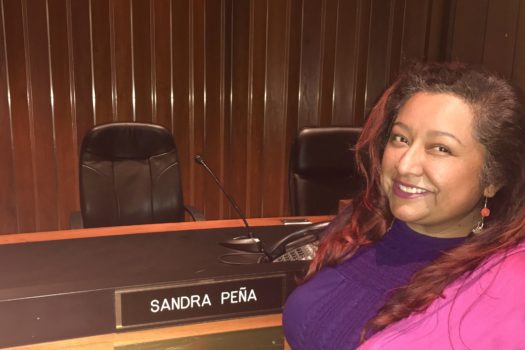
OC Register – “My Vision for the Arts in Santa Ana”
by Sandra Pocha Peña, A summary of my goals for the arts in Santa Ana, 2014:
I envision a city known for its creative vitality: a place where game developers and tech entrepreneurs flock to launch startups; a place where filmmakers – drawn by our historic downtown – come to shoot on-location, channeling hundreds of thousands of dollars into city coffers and local business.
I see marginalized kids activated by the arts – through school art programs, youth art projects and after-school enrichment classes – to believe in themselves and become inspired to excel in academics.
I see high-achieving students become well-rounded citizens who appreciate all cultures and cultivate creative, abstract thinking – which will give them a competitive edge in any field they pursue.
https://www.ocregister.com/2014/02/06/sandra-pocha-pena-my-vision-for-the-arts-in-santa-ana/
Details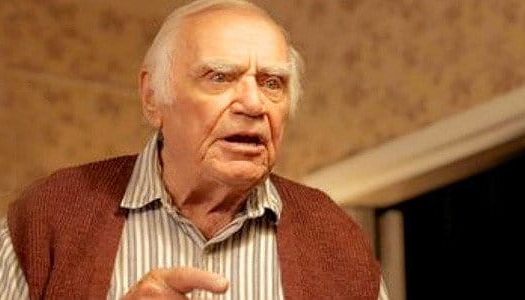
OC Register – “OC Film Fiesta returns for a 5th Foray”
by Richard Chang, Report on OC Film Fiesta, 2014:
People in Orange County love movies, and they love free stuff. So what could be better than a free film festival? The fifth annual O.C. Film Fiesta starts tonight and runs for three weekends, ending Oct. 5.
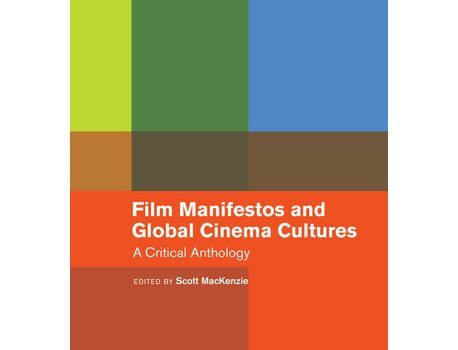
“Film Manifestos and Global Cinema”
” by Scott MacKenzie – “The Pocha Manifesto #1” by Sandra Peña Sarmiento, A republishing of my seminal feminist film manifesto, 2014:
Film Manifestos and Global Cinema Cultures is the first book to collect manifestoes from the global history of cinema, providing the first historical and theoretical account of the role played by film manifestos in filmmaking and film culture. Focussing equally on political and aesthetic manifestoes, Scott MacKenzie uncovers a neglected, yet nevertheless central history of the cinema, exploring a series of documents that postulate ways in which to re-imagine the cinema and, in the process, re-imagine the world.
This volume collects the major European “waves” and figures (Eisenstein, Truffaut, Bergman, Free Cinema, Oberhausen, Dogme ‘95); Latin American Third Cinemas (Birri, Sanjinés, Espinosa, Solanas); radical art and the avant-garde (Buñuel, Brakhage, Deren, Mekas, Ono, Sanborn); and world cinemas (Iimura, Makhmalbaf, Sembene, Sen). It also contains previously untranslated manifestos co-written by figures including Bollaín, Debord, Hermosillo, Isou, Kieslowski, Painlevé, Straub, and many others. Thematic sections address documentary cinema, aesthetics, feminist and queer film cultures, pornography, film archives, Hollywood, and film and digital media. Also included are texts traditionally left out of the film manifestos canon, such as the Motion Picture Production Code and Pius XI’s Vigilanti Cura, which nevertheless played a central role in film culture.
Details
OC Register – “Ceremony honors 8 OC Women”
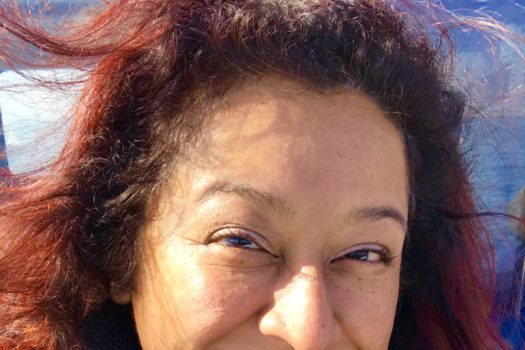
by Staff, Report on the Woman of the Year ceremony for the 46th Congressional District in Santa Ana, 2014:
Congresswoman Loretta Sanchez recently celebrated National Women’s History Month by honoring eight women from the 46th Congressional District at the Delhi Center in Santa Ana.
“During the month of March, we commemorate heroines throughout history whose dedication and vision have helped shape our great nation today,” Sanchez said. “This month also gives us the opportunity to recognize the impressive women who are shaping history every day – our mothers, our sisters and our friends. I am honored to celebrate some of the extraordinary and inspiring women of the 46th Congressional District.”
More than 75 community leaders, government officials and family members honored women in the following categories.
https://www.ocregister.com/2014/04/18/ceremony-honors-8-oc-women/amp/?source=images
Details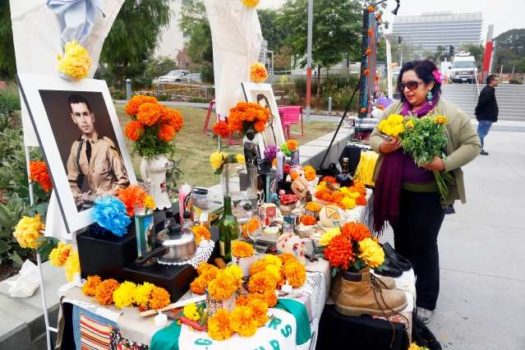
La Opinion – “Dia de Los Muertos en el Grand Park”
by Marvelia Alpizar, Report on the first Day of the Dead celebrated at the new Grand Park in downtown Los Angeles, 2012:
La tradicion del Dia de los Muertos es ampliamente celebrada por los angelinos en diferentes parques y lugares públicos de la ciudad. El recién inaugurado Grand Park también quiso unirse a la celebración.
El parque ofrecerá hoy al público una exposición de altares elaborados por distintos artistas residentes en la ciudad, en un evento de un día de duración el cual comenzará a las 5 de la tarde y se extenderá hasta las 11 de la noche.
https://laopinion.com/2012/11/01/dia-de-los-muertos-en-el-grand-park-de-la-fotos/
Details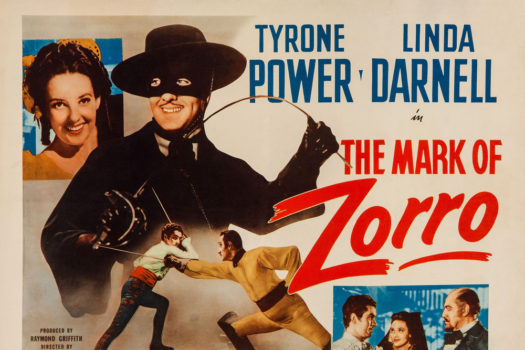
OC Weekly – “Zorro Rescues Santa Ana from Itself”
by Matt Coker, Story on OC Film Fiesta, 2011:
Who would have guessed it would have taken a gringo playing a Spaniard nicknamed fox who was introduced in a 1919 story set in San Juan Capistrano to save the effed-up Santa Ana City Hall from itself?
And yet, Douglas Fairbanks will be on the big screen again tonight, in his classic 1920 silent film The Mark of Zorro, kicking off the second annual, 16-day–and, most important–FREE OC Film Fiesta.
Details